
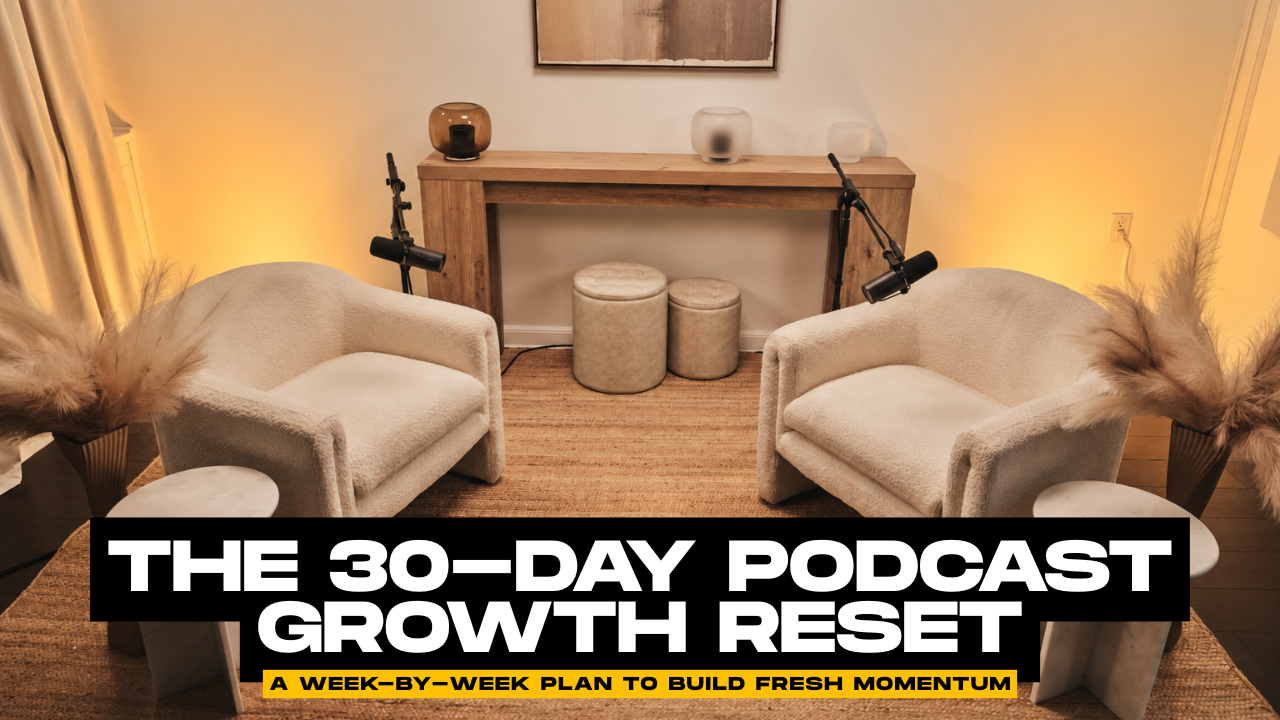
The 30-Day Podcast Growth Reset: A Weekly Plan to Build Fresh Momentum
Hey Podcast Fam,
Every show has seasons. Some months, downloads climb fast. Others, they hold steady and things get a little quieter.
Here's the good news: a steady season is the perfect time to fine-tune. And most of the time, the adjustments are smaller than you think.
This 30-day reset gives you one focus per week. Each week builds on the last, and none of it requires new gear or a bigger team. Just a clear plan and a little intention.
Week 1: Look at What's Already Working
Your analytics already hold the blueprint for your next stage of growth. This week, you're gathering clues, not making changes.
Open Spotify for Creators, Apple Podcasts Connect, and YouTube Studio if you publish video.
New to reading the numbers? Here's how podcast analytics work and which metrics matter most.
Then answer three questions.
- Which 3 episodes performed best, and what do they have in common?
Compare their topics, titles, guests, and runtimes. Look for the common thread. Maybe it's a cer...
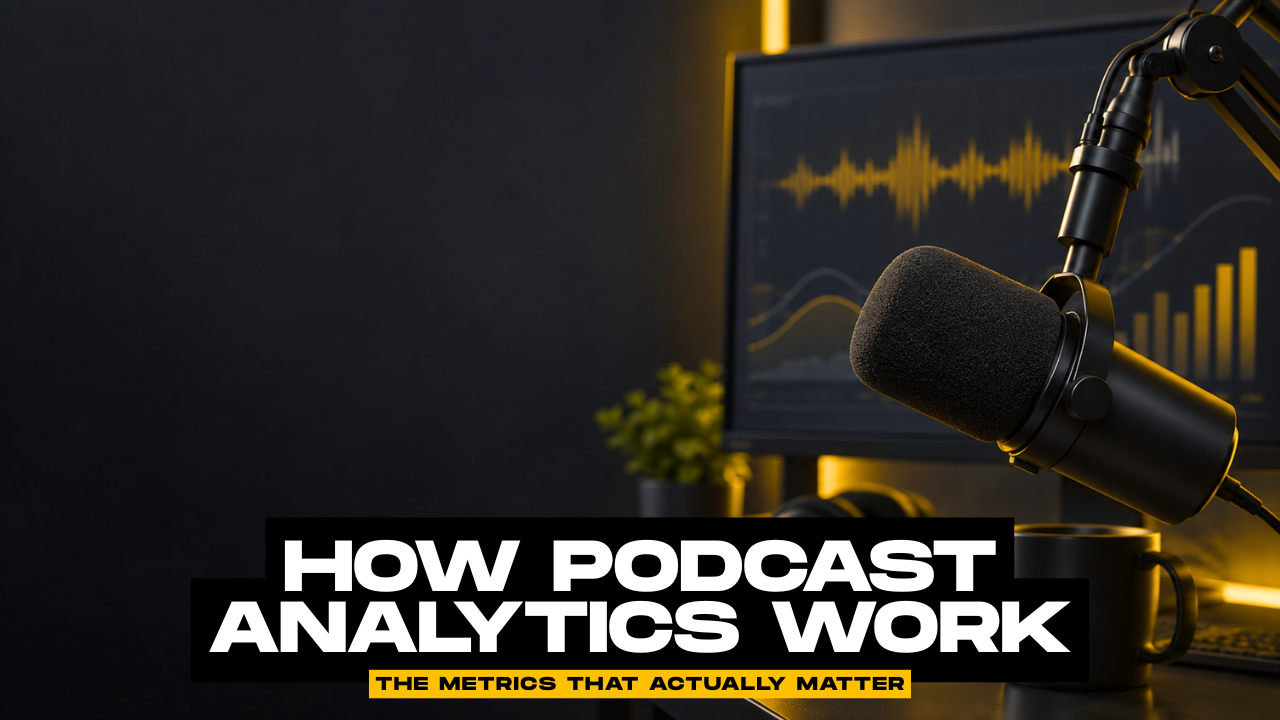
How Podcast Analytics Actually Work (And Which Metrics Matter)
Hey Podcast Fam,
You hit publish, wait a few days, and open your dashboard. There are a lot of numbers in there, and each one tells you something different about your audience.
Podcast analytics come from several sources, and each measures a different part of the listening experience. Once you know what each number means, your dashboard becomes one of the best creative tools you have.
Here's how it all works.
What a Podcast "Download" Actually Measures
Most digital media is measured while it plays. Podcasts work differently. Episodes are downloaded for consumption, and measurement is based on server logs rather than an open connection between the listener's device and the content server.
In plain terms, a download is counted when a podcast app requests your audio file from your hosting server through your RSS feed. (Internal link: RSS feeds explainer)
That means a download tells you an episode reached a listener's device. Pair it with platform data and you'll see how people actu...
How to Repackage Old Episodes Into a "Best Of" Series
Hey Podcast Fam,
If you've been recording for more than a year, you're sitting on a goldmine: your back catalog. Somewhere in episodes 12, 47, and 83 are some of the best conversations you've ever had — and a "Best Of" series is a great way to give them a second moment in the spotlight. It's one of the fastest, most rewarding ways to grow your show with content you already made.
Here's how to do it well.
Why a Best Of Series Works
New listeners rarely start at episode one. They land on whatever your feed (or an algorithm) happens to surface, so it's worth making sure your strongest material has a real shot at being that first impression. A curated Best Of series puts your highest-impact content front and center — a warm welcome for new listeners discovering the show, and a fun highlight reel for the fans who've been there since day one.
It's also part of a bigger shift worth paying attention to: podcasts with a media brand approach to their catalog are the ones best positioned as ...
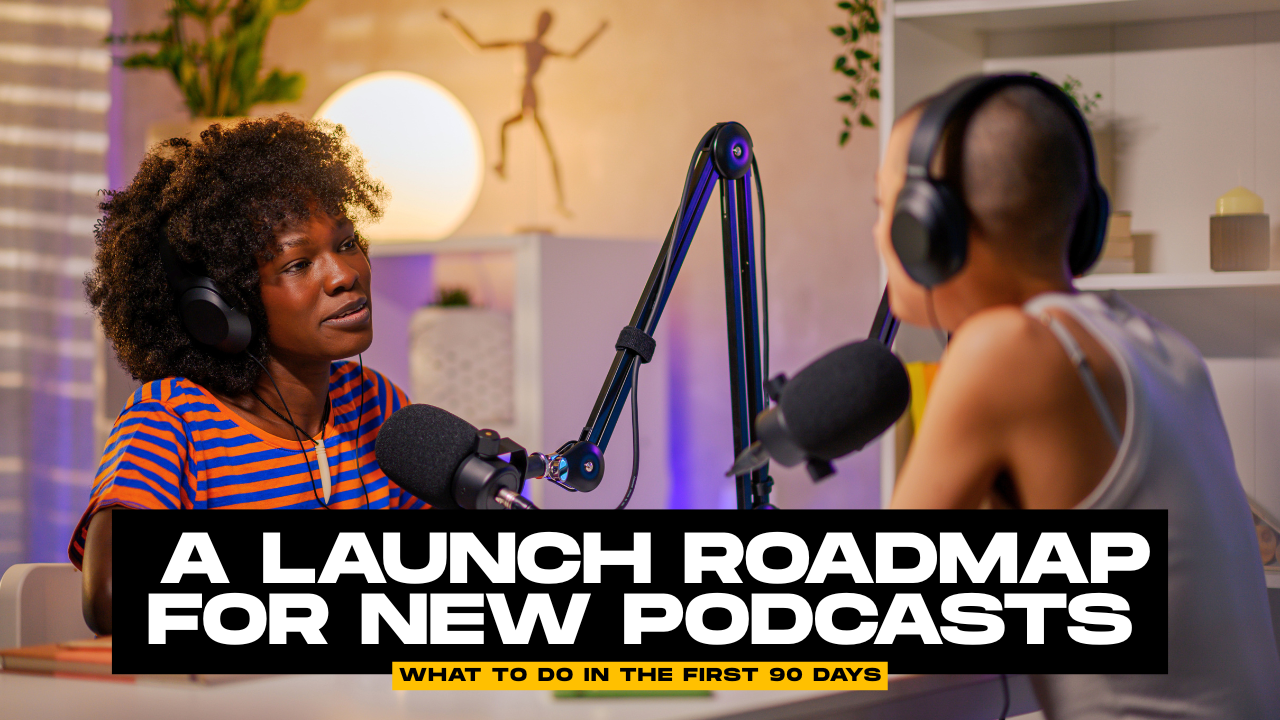
The First 90 Days: A Launch Roadmap for New Podcasts
Hey Podcast Fam,
So your show is recorded, named, and ready to go — now what? The gap between "my podcast is done" and "my podcast is actually growing" is where most new shows lose steam, not because the content is weak, but because the launch itself wasn't sequenced well.
This roadmap picks up exactly there: what to do in the days before your first episode goes live, and how to spend the 90 days after that so your launch turns into momentum instead of a one-time spike.
Before You Hit Publish: The Pre-Launch Checklist
Everything in this section happens before episode one is live to the public. Rushing this stage is the single most common reason a strong show has a flat launch.
Submit your RSS feed to directories early. Apple Podcasts, Spotify, and other directories don't add your show instantly — approval can take anywhere from a few hours to several days. Submit your feed as soon as your show and artwork are finalized, well before your intended launch date, so you're not stuck wa...
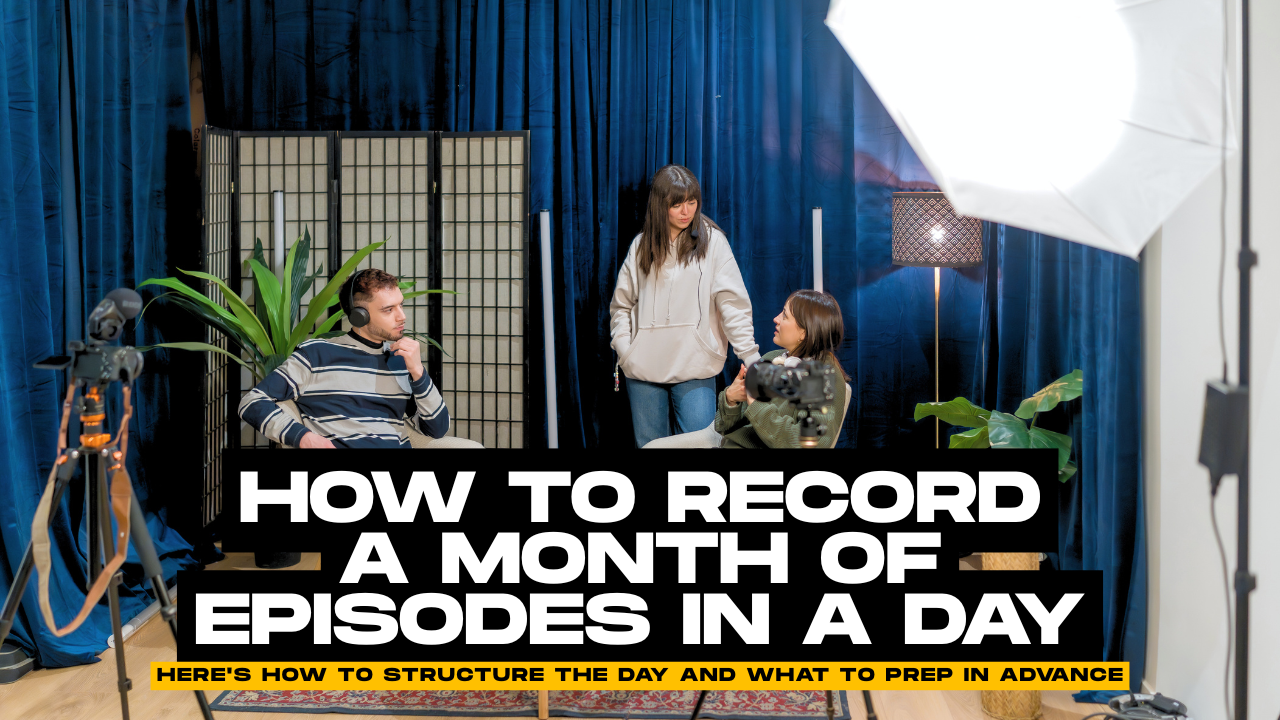
Batch Recording: How to Record a Month of Episodes in a Day
Hey Podcast Fam,
If "find time to record" is the reason your publishing schedule keeps slipping, batch recording is the fix. Instead of trying to carve out a new recording session every single week, you set aside one focused day, record four or five episodes back to back, and walk away with a month of content already in the can.
It sounds intense on paper. In practice, it's the opposite — it's what takes recording off your weekly to-do list entirely. Here's how to actually structure a batch day so it produces a month of strong episodes instead of one exhausting afternoon.
What Batch Recording Actually Is
Batch recording means grouping multiple episodes into a single, dedicated recording block instead of spreading them across separate sessions throughout the month. A show that publishes weekly might record all four (or five) of that month's episodes in one sitting — same setup, same energy, same day.
The appeal isn't just convenience. It's consistency. Once a month's worth of epis...
Why Most Podcasts Fail Before They Ever Find an Audience
Hey Podcast Fam,
Breaking into podcasting's top 1% has nothing to do with talent, funding, or a lucky break. It comes down to one thing: staying power. The top 1% isn't the group with the biggest launch — it's simply the group still publishing after everyone else has stopped.
The numbers back this up. Roughly 200,000 new podcasts launch every year, but only about 2,000 of them are still around twelve months later. Nearly 90% of podcasts never make it past episode three, and of the small percentage that do, another 90% quit before episode twenty. The overwhelming majority of shows disappear before they've had any real chance to build an audience — not because the idea was bad, but because of what happens after launch.
Podcaster Samuel Sleger has lived this pattern firsthand. His first podcast fizzled after a trailer and three unpublished episodes; a follow-up attempt with a co-host lasted two episodes. It wasn't until he treated podcasting like a system rather than a passion project...
Can Podcasting Make You a Better Leader? The Mic Test
Hey podcast fam,
Today we’re exploring a question we don’t hear asked enough:
Can podcasting actually make you a better leader?
In a piece for Entrepreneur, James Dooley shared that hosting multiple shows became the most effective leadership training he never expected. It wasn’t about the downloads, it was about the structure the microphone forced onto his thinking.
Most entrepreneurs see a podcast as a content play or a growth lever. But for the host, the real ROI often happens before the episode ever hits the feed.
Here’s how podcasting quietly trains you to think, decide, and lead more clearly, long before it grows your audience.
The Mic Test
If you sat down at a microphone right now and tried to explain one of your core ideas for 20 minutes, what would happen?
- Would you stumble over the "why" behind your decisions?
- Would your logic feel fuzzy or hard to follow to a listener hearing it for the first time?
Regularly articulating ideas out loud does a few powerful thing...
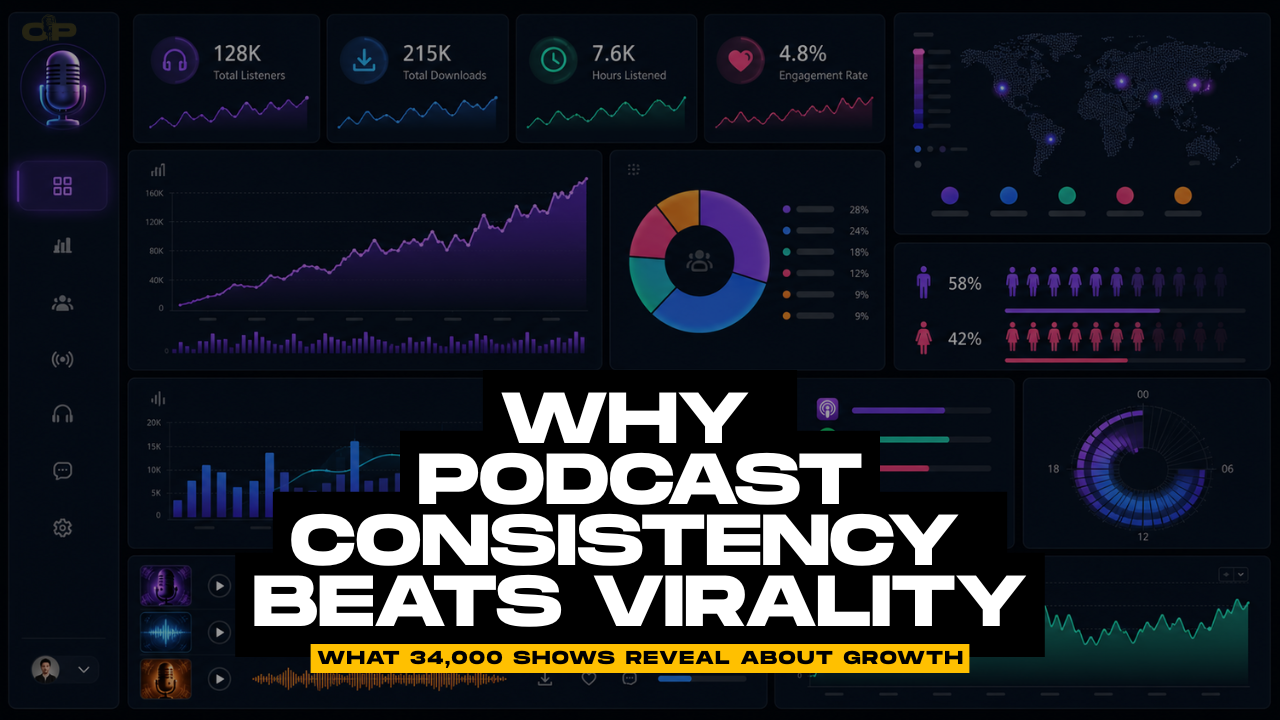
Why Podcast Consistency Beats Virality: What 34,000 Shows Reveal About Growth
Hey Podcast Fam,
If you've ever wondered whether your podcast is "supposed" to be bigger by now, a new industry report has some hard numbers worth sitting with.
MillionPodcasts' State of Video Podcasting 2026 report analyzed 34,208 active English-language video podcasts — shows that had published at least one episode in the previous 12 months, totaling 7.7 million episodes combined. The findings paint a clear picture of a market that's growing fast but staying extremely concentrated at the top, and they isolate a handful of factors that actually separate breakout shows from everyone else.
Here's what the data says, and what it means for your show.
The Market Is Top-Heavy
The numbers on concentration are stark. According to the report, the top 10% of shows capture 85% of all modeled monthly listening. The top 1% alone — roughly 340 podcasts out of 34,000 — account for 42% of total listening. Meanwhile, the bottom half of the market, around 17,000 shows, collectively generates only ...
How to Use Feed Drops to Grow Your Podcast (Without Recording Another Episode)
Hey Podcast Fam,
Creating great content is only half the battle. Getting it in front of the right audience is where real podcast growth happens.
That's why more creators are turning to feed drops, a simple collaboration strategy that helps you reach new listeners by repurposing episodes you've already recorded.
If you're looking for a growth tactic that doesn't require another interview, another recording session, or another editing deadline, feed drops deserve a place in your marketing strategy.
What Is a Feed Drop?
A feed drop is when one podcast publishes another show's episode directly in its podcast feed.
Instead of running a 30-second advertisement for your podcast, the host shares one of your episodes with their audience. In return, you may do the same for them.
The benefit? Listeners don't have to search for your show or decide whether it's worth trying, they experience your content immediately.
That's a much lower barrier than asking someone to click a social media li...
Spotify's New Podcast Analytics: What Creators Need to Know
Podcast analytics are evolving, and Spotify is leading the shift.
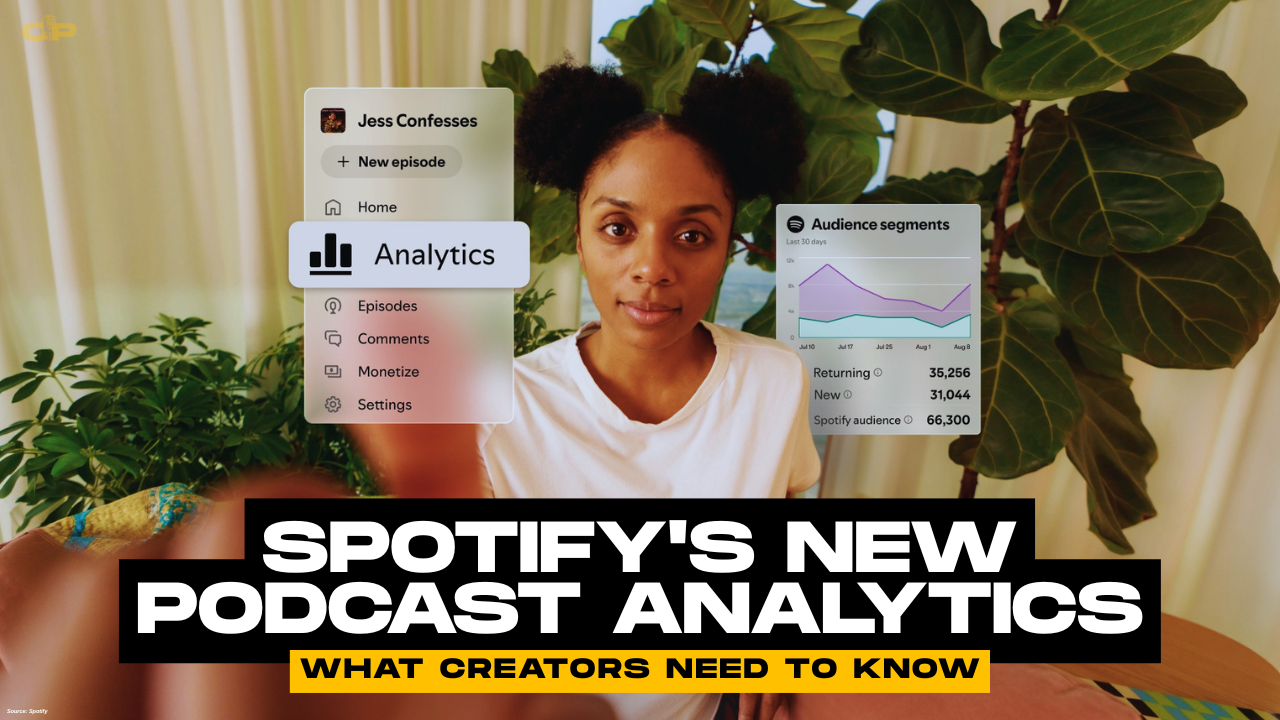
This month, Spotify for Creators rolled out one of its biggest podcast analytics updates in years, introducing deeper audience insights, long-term engagement tracking, and a new industry-backed definition of a podcast "play."
At first glance, these updates may seem like another dashboard refresh. But underneath the new graphs and reports lies a much bigger story: podcasting is moving from measuring reach to measuring retention.
For creators, that's a meaningful change.
Podcasting Is Entering the Retention Era
Historically, podcast creators have relied on a patchwork of metrics to evaluate success.
Downloads.
Streams.
Unique listeners.
Plays.
The challenge is that these metrics haven't always meant the same thing across platforms. A download doesn't necessarily mean someone listened, and a play hasn't always reflected meaningful engagement.
Spotify's latest podcast analytics update through Spotify for Creators ...
