
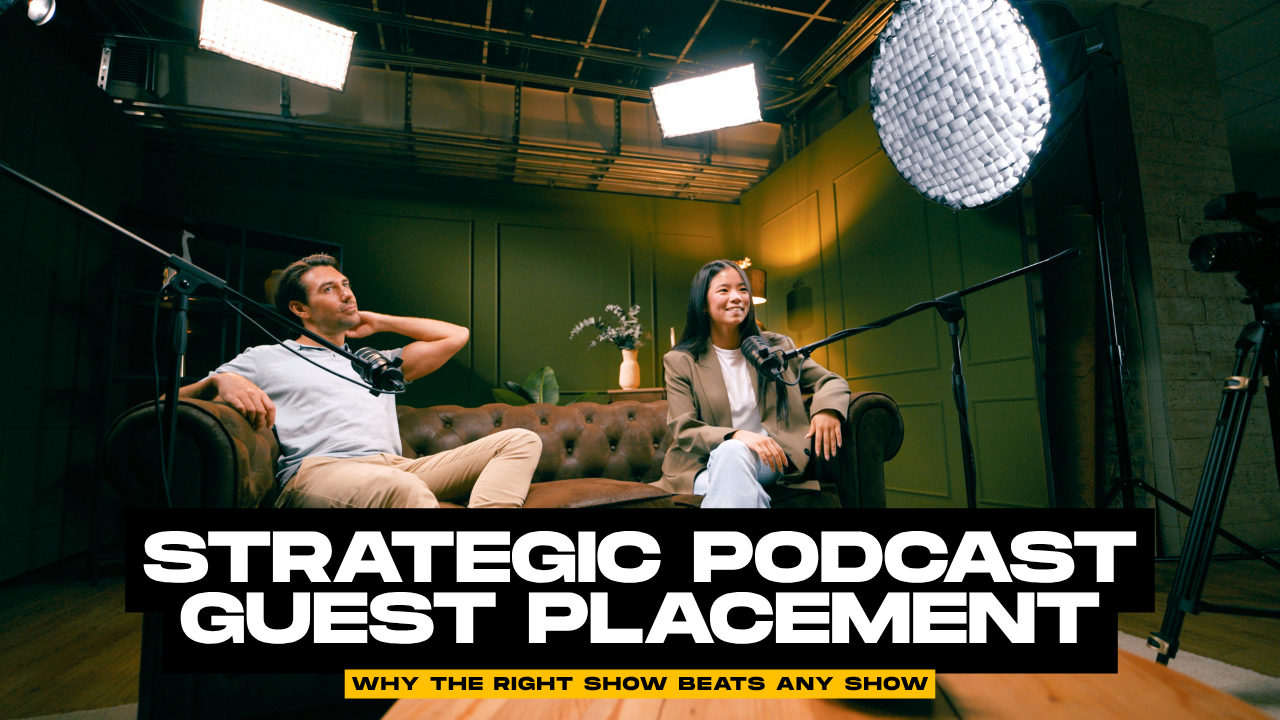
Strategic Podcast Guest Placement: Why the Right Show Beats Any Show
Hey Podcast Fam,
There’s a big difference between getting booked on a podcast and getting booked on the right podcast.
Podcast guesting can be a powerful way to expand your reach, introduce your work to new audiences, and build meaningful industry relationships.
The strongest opportunities come from strategic placement: finding shows where your expertise fits, the audience is relevant, and the conversation has the potential to create value beyond a single episode.
Quick Links: Guest Booking Service: 5 for $997 · 10 for $1,750 · 20 for $2,500 · Free Collab Kit
The Power of the Right Podcast Placement
A thoughtful podcast guest strategy focuses on alignment.
That means finding:
- The right audience: listeners already interested in your area of expertise
- The right host: someone whose platform, community, and conversation style complement your work
- The right fit: a topic you can speak about naturally while bringing meaningful value to the show
When those pieces come together...
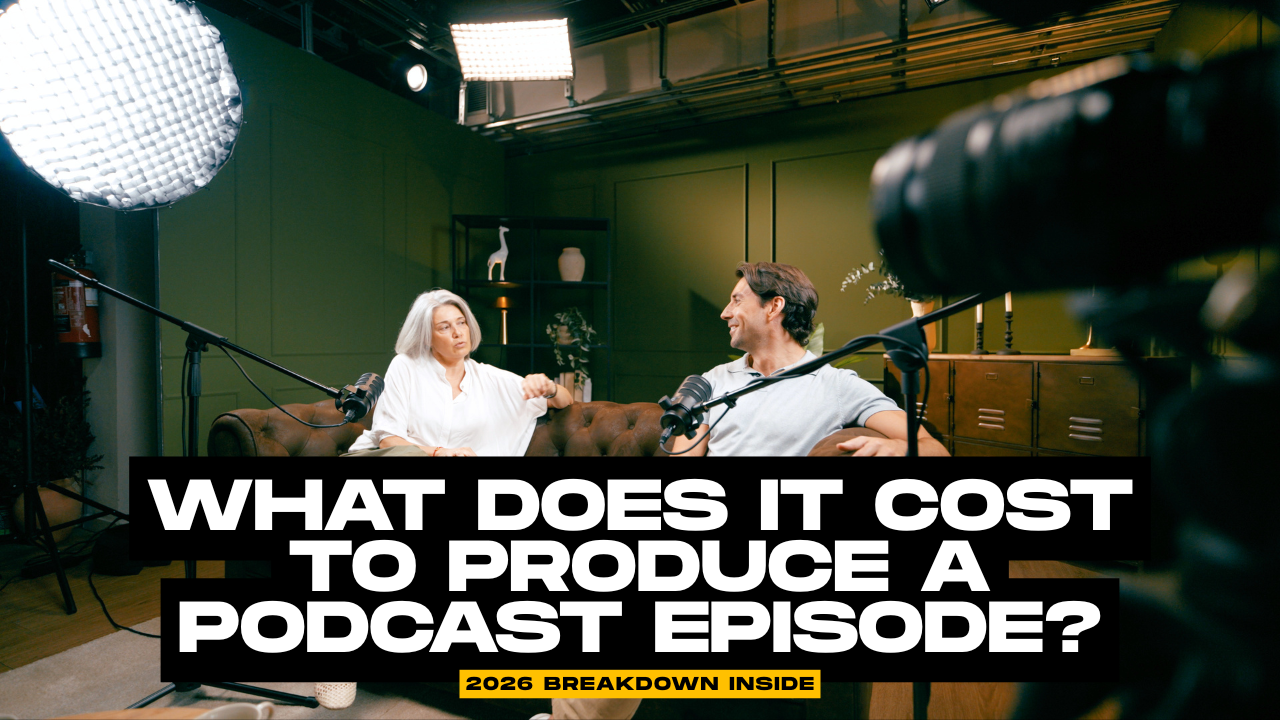
What Does It Cost to Produce a Podcast Episode?
Hey Podcast Fam,
If you've priced out podcast production, you've probably noticed the numbers don't line up. One freelancer quotes $50 an episode. An agency quotes $1,500. A friend swears they got it done for free. None of them are lying — they're just talking about completely different jobs.
Here's what actually goes into producing an episode, what each piece costs on its own, and what it looks like when it's bundled into one session.
The Three Things You're Actually Paying For
Podcast production isn't one line item — it's three separate jobs that happen to get lumped into "making a podcast":
- Studio time. Recording space, equipment, and someone running it. This is the part most people picture when they think "podcast production," but it's only the first step.
- Editing. Turning a raw recording into something listenable — cutting dead air, leveling audio, fixing mistakes, and in some cases full sound design and mixing.
- Clips. Short, captioned segments cut from the full episo...
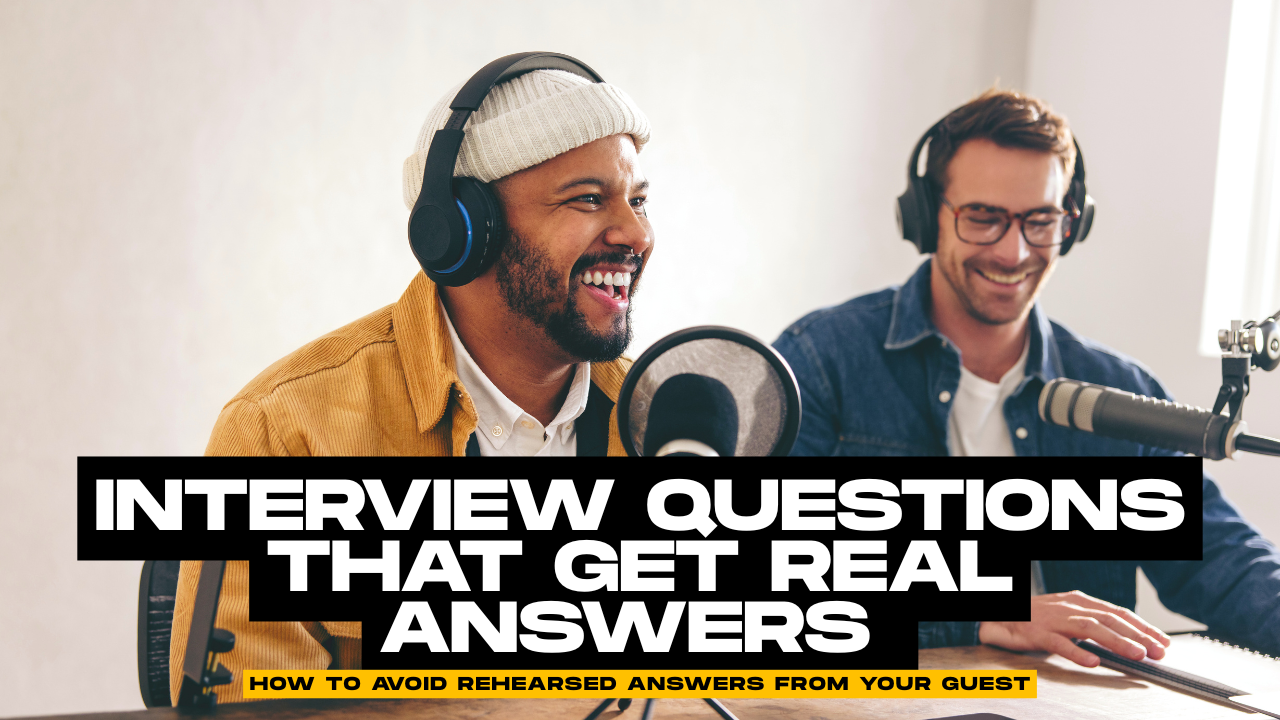
Interview Questions That Get Real Answers Instead of Rehearsed Ones
Hey Podcast Fam,
You've heard it before you even hit record: the guest starts answering in the same polished paragraph they've used on five other podcasts this month. Same story, same punchline, same pacing. Nothing wrong with it, exactly — it's just not your episode.
The fix usually isn't a better guest. It's a better question. Here's how to build questions that get people talking instead of performing.
Why Generic Questions Get Generic Answers
If your first question is some version of "tell us about your journey," you've just handed your guest their most well-worn material. It's an easy question, so it gets an easy, pre-loaded answer. The guest isn't being difficult — you've simply asked something they've answered a hundred times, in exactly the words they've refined a hundred times.
Instead of: "Tell us about your journey."
Ask: "What's something about how you got here that never makes it into your bio?"
Ask About a Moment, Not a Career
A career-length question gets a caree...
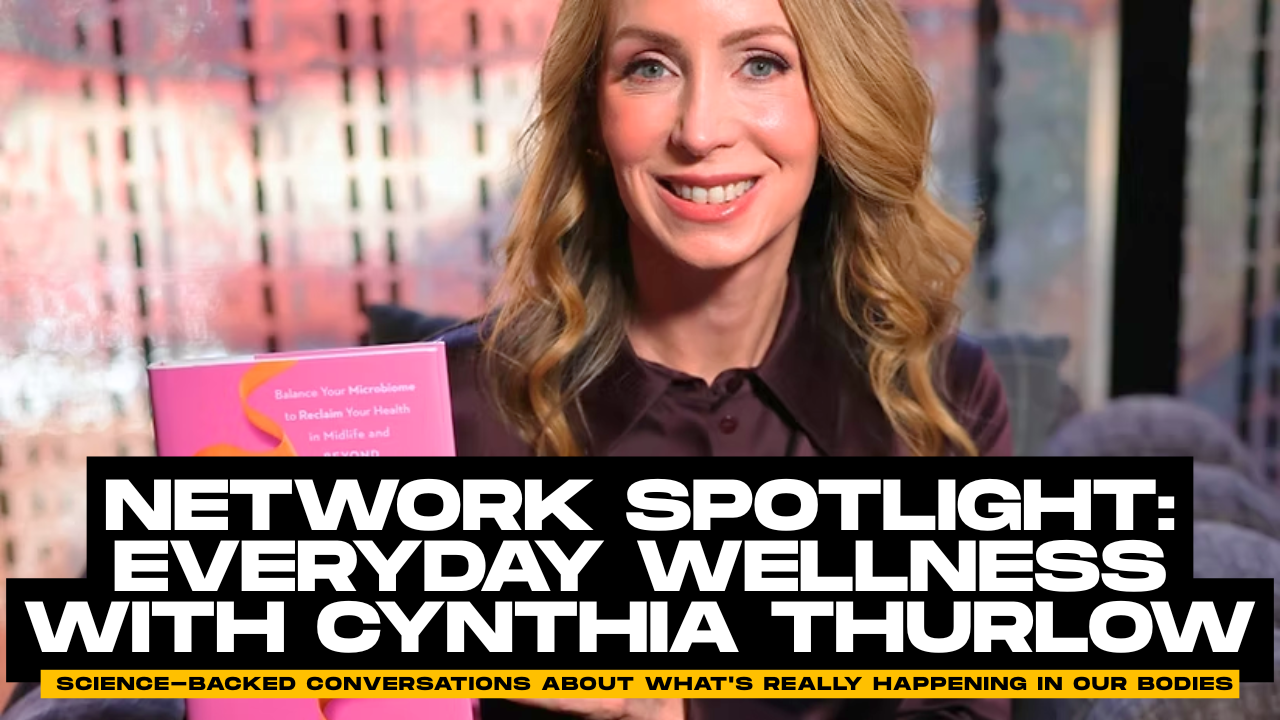
Network Spotlight: Everyday Wellness with Cynthia Thurlow, 500+ Episodes In
Hey Podcast Fam,
This week's Network Spotlight lands on a show that's become a true cornerstone of the Operation Podcast Network: Everyday Wellness with Cynthia Thurlow.
More than a year into our partnership and 500+ episodes deep, it's one of the most consistent, trusted voices we work with — publishing twice a week, every week, without missing a beat.
Who Is Cynthia Thurlow?
Cynthia is a globally recognized metabolic health and women's health expert, Nurse Practitioner, best-selling author, and international speaker with over 25 years of experience helping women thrive through every stage of life. Her viral TEDx talk on intermittent fasting has reached 15 million+ views, and she's been featured on ABC, FOX5, KTLA, and The Megyn Kelly Show.
Watch Cynthia's TEDx talk
What Makes Everyday Wellness Different
This isn't a general health podcast. It's a grounded, science-backed conversation about what's really happening in our bodies during perimenopause and beyond — and how to proa...
How AI Search Engines Are Changing Podcast Discovery

Hey Podcast Fam,
The way people find your show is changing faster than most creators realize. It's not just about ranking in Apple Podcasts search or hoping Spotify's algorithm picks you up anymore.
A growing share of your future audience isn't searching at all — they're asking. ChatGPT, Perplexity, Claude, and Google's AI Overviews are becoming a real discovery layer, and most podcasts aren't set up to be found through it.
Here's what's actually changing, why it matters more for audio than almost any other content format, and what to do about it.
What "AI Search" Actually Means for Podcasters
Traditional search sends someone a list of links and lets them decide. AI search skips that step — it reads across the web, synthesizes an answer, and hands the listener a direct response, often with just a handful of cited sources. Daily use of AI search tools in the US has grown sharply over the past year, based on research from HigherVisibility, and that shift shows no signs of slowing d...
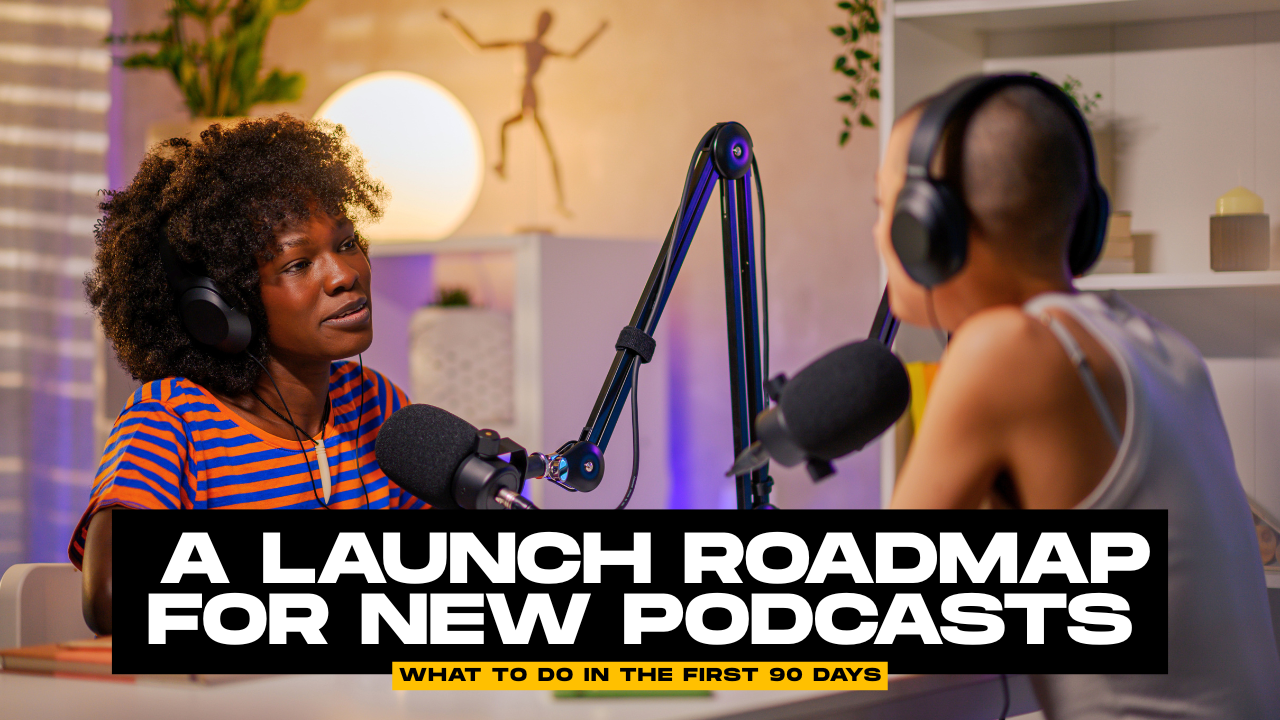
The First 90 Days: A Launch Roadmap for New Podcasts
Hey Podcast Fam,
So your show is recorded, named, and ready to go — now what? The gap between "my podcast is done" and "my podcast is actually growing" is where most new shows lose steam, not because the content is weak, but because the launch itself wasn't sequenced well.
This roadmap picks up exactly there: what to do in the days before your first episode goes live, and how to spend the 90 days after that so your launch turns into momentum instead of a one-time spike.
Before You Hit Publish: The Pre-Launch Checklist
Everything in this section happens before episode one is live to the public. Rushing this stage is the single most common reason a strong show has a flat launch.
Submit your RSS feed to directories early. Apple Podcasts, Spotify, and other directories don't add your show instantly — approval can take anywhere from a few hours to several days. Submit your feed as soon as your show and artwork are finalized, well before your intended launch date, so you're not stuck wa...
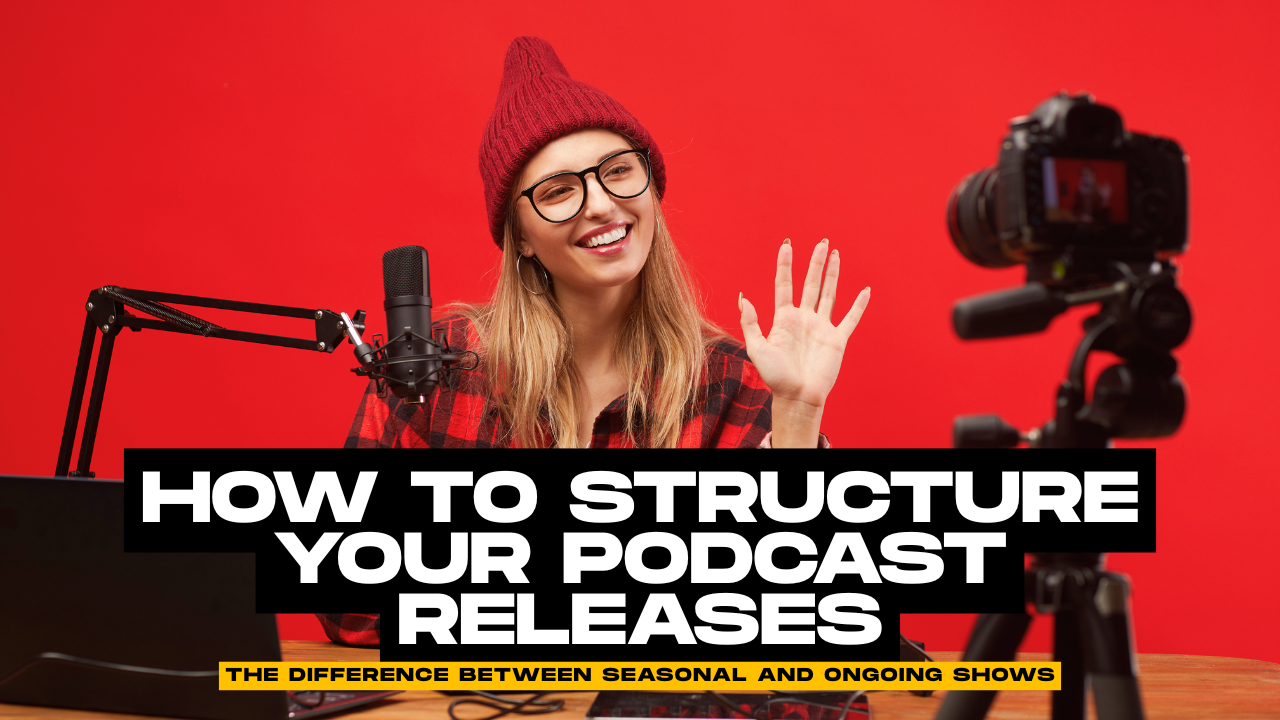
How to Structure a Season vs. an Ongoing Weekly Show
Hey Podcast Fam,
One of the most common questions we hear from creators — whether you're three episodes in or three years in — is some version of "should I be doing seasons, or just... keep going every week?" It feels like a small production decision, but it actually shapes everything downstream: your content calendar, your guest booking rhythm, your marketing cadence, even how listeners talk about your show to their friends.
There's no universally "right" answer here. Both formats work. What matters is picking the structure that matches your content, your capacity, and your growth goals — and committing to it long enough to see how it performs. Let's break down the difference.
What "Seasonal" Actually Means
A seasonal show releases episodes in defined batches — say, 8 to 12 episodes — followed by an intentional break before the next season begins. Think of it less like a weekly habit and more like a limited series with a beginning, middle, and end.
Seasons work especially well wh...
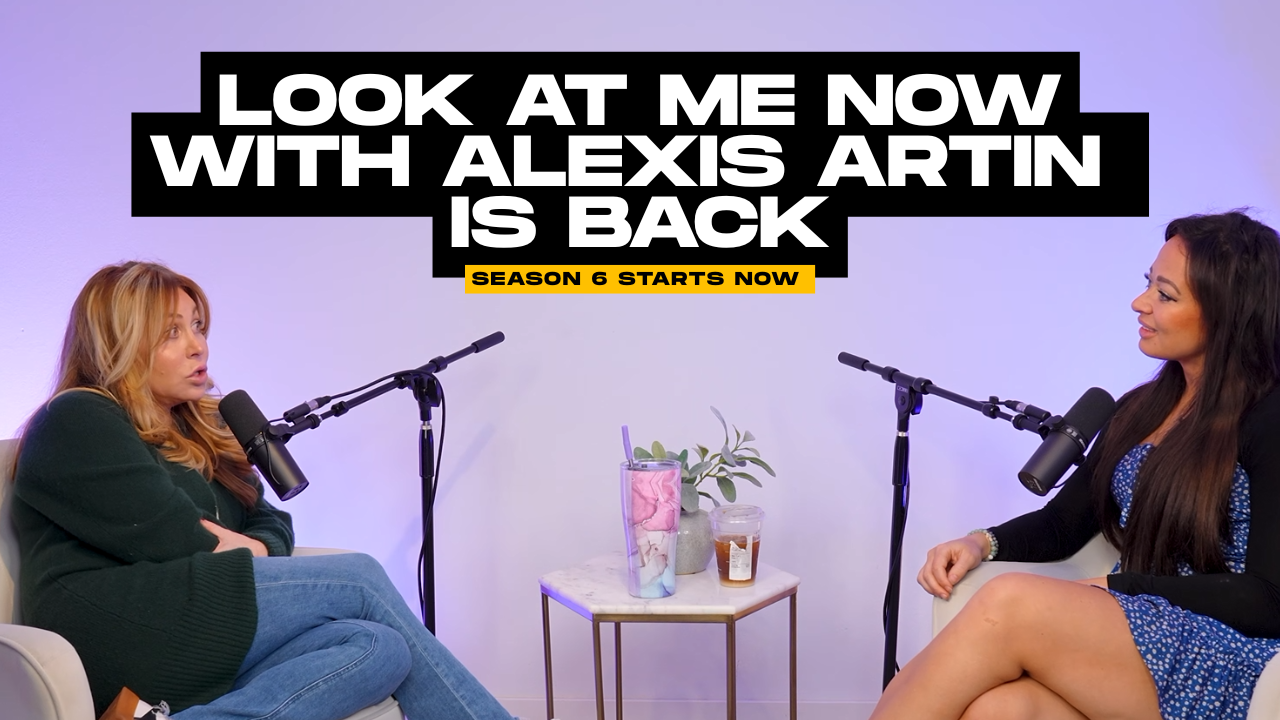
Look At Me Now with Alexis Artin Returns for Season 6 with Thais Gibson
Hey Podcast Fam,
The podcast returns with a new season of conversations centered on personal growth, transformation, and what it takes to understand ourselves on a deeper level. Kicking things off, Alexis welcomes Thais Gibson, founder of The Personal Development School and creator of Integrated Attachment Theory™, for the Season 6 premiere.
Listen to the episode on Apple Podcasts
Starting Season 6 with Thais Gibson
Thais Gibson has built her work around helping people better understand attachment styles, subconscious patterns, relationships, and personal transformation.
Through The Personal Development School, Gibson has developed programs focused on identifying the patterns that influence how people connect, respond to emotional triggers, and navigate their relationships.
That makes her a fitting guest to open a new chapter of Look At Me Now.
With Alexis Artin leading the conversation, the Season 6 premiere brings together two voices centered on self-awareness and personal de...
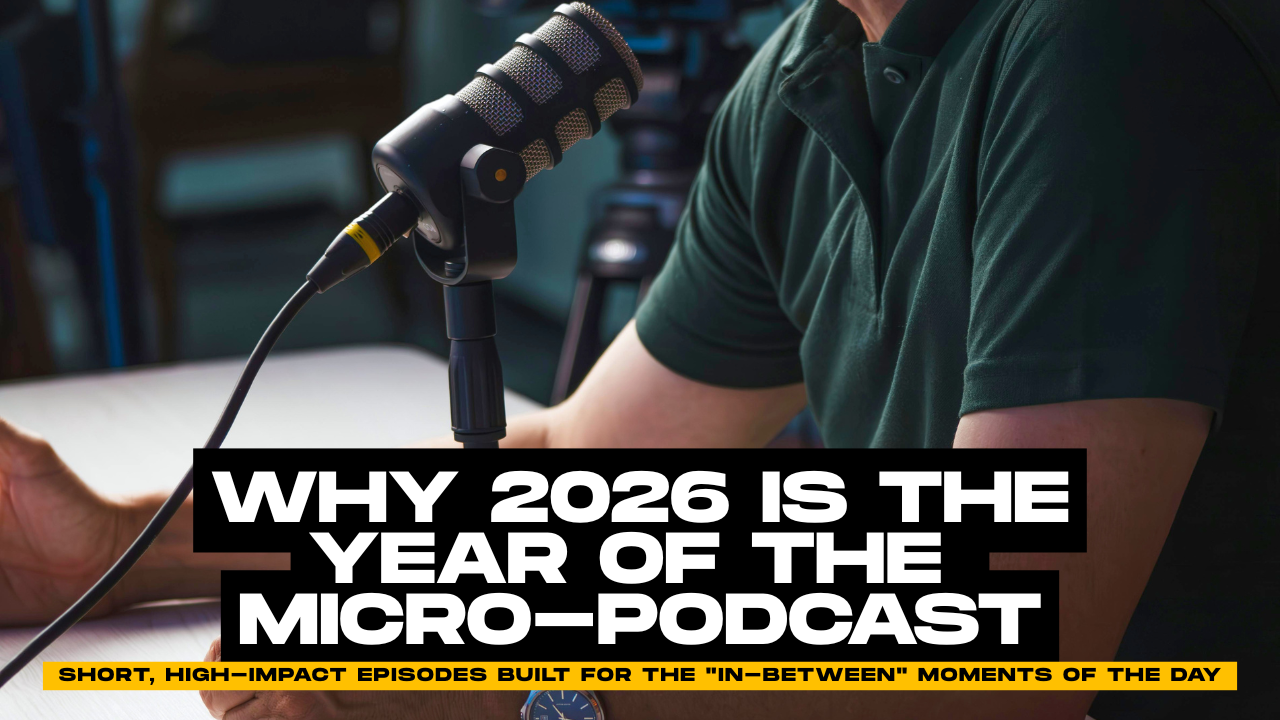
Why 2026 Is the Year of the Micro-Podcast
Hey Podcast Fam,
Long-form episodes still have their place, but more listeners are gravitating toward something they can actually finish in one sitting.
As the industry keeps pivoting away from content bloat, more shows are moving toward micro-podcasting: short, high-impact episodes built for the "in-between" moments of the day — the commute, the coffee, the walk to the mailbox.
What This Means for Creators
In 2026, the most valuable thing you can give an audience isn't more information — it's more of their time back. The data backs this up. Podcasting already has one of the best completion rates in media — around 70–72% of listeners finish most or all of an episode, industry-wide.
Shorter episodes push that even further: shows under 30 minutes see completion rates run 5 to 20 percentage points higher, since they fit neatly into a single sitting instead of competing with the day's interruptions. In other words, runtime is one of the most reliable levers creators have for getting...
Who Owns Your Episode Navigation? How to Override Apple Podcasts' Auto-Chapters
Hey Podcast Fam,
By now, you've probably seen automatic chapters popping up across your catalog on Apple Podcasts. These AI-generated markers are a handy safety net for shows that haven't gotten around to adding their own — but relying on them means letting an algorithm decide the "roadmap" of your show.
The good news: Apple's system is built to defer to you. Automatic chapters only appear when a show hasn't supplied its own — the moment you provide chapter data, Apple displays your version instead, even on episodes that are already published. Here's how to take back control of your episode structure so your segments and links land exactly where you want them.
Three Ways to Own Your Chapter Metadata
1. The Show Notes Method
The simplest option: list your timestamps at the bottom of your episode description. To make sure Apple prioritizes your list over its AI-generated version, two rules matter:
- Start your first chapter at 00:00:00
- Include at least three chapters total
Ski...
